


Every layer of your turnout gear affects how it protects, fits, feels, and performs on the fireground. While you may put on one finished coat and pants, that gear is the result of carefully selected materials working together as one protective system.
It all starts with fiber. Those fibers are made into fabrics, and PPE manufacturers like Fire-Dex use those fabrics to build the protective garments you wear on the fireground. 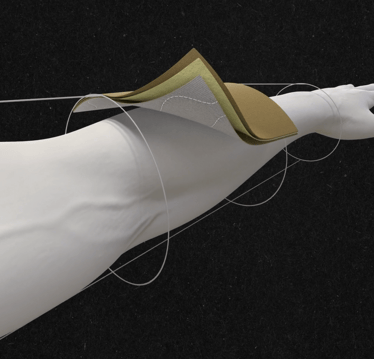
The fabrics you choose for your turnout gear create a three-layer system known as a composite. The outer shell, moisture barrier, and thermal liner each have a different job, but all three must work together to protect you in the heat of battle. Knowing what each layer contributes can help your department choose the materials that meet your specific protection and performance needs.
The Outer Shell: The First Line of Defense
The outer shell is the first line of defense against flames, heat, cuts, abrasion, and other fireground hazards. It’s also treated to provide protection from water.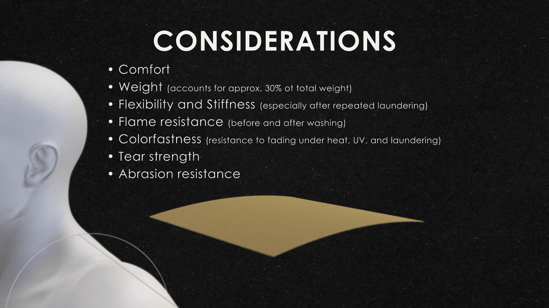
Because this first layer faces the environment around you, its construction can affect how the gear protects, feels, and performs. When selecting an outer shell, consider the comfort, weight, flexibility, flame resistance, colorfastness, tear strength, and abrasion resistance that are best suited for your department’s specific needs.
The Moisture Barrier: Protection Within the Composite
The middle layer, known as the moisture barrier, is hidden between the outer shell and thermal liner. Although you can’t see it, it plays a critical role in resisting liquids and providing thermal insulation.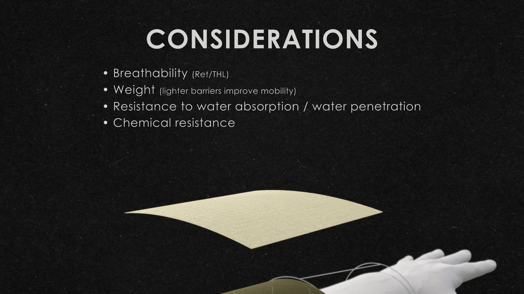
When choosing a moisture barrier, prioritize breathability, with weight a close second, followed by water and chemical resistance. Lastly, if your state requires you to have materials with non-intentionally added PFAS, this is where you would make that decision. All these factors influence how well the moisture barrier supports the overall performance of your turnouts.
The Thermal Liner: The Layer Closest to Your Body
As the layer closest to your skin, the thermal liner does more than offer thermal protection. It also plays a crucial role in wicking sweat and moisture away from your body.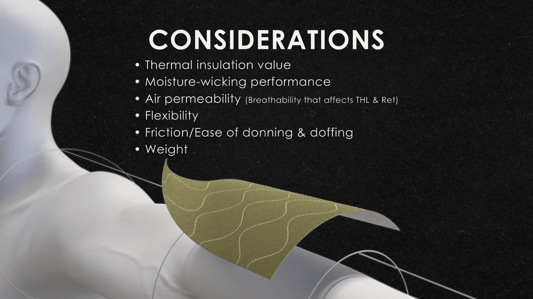
When selecting the right thermal liner, consider its thermal insulation value, moisture-wicking performance, air permeability, flexibility, friction, and weight. Together, these characteristics affect how the liner performs and feels inside the finished garment.
Consider How All Three Layers Work Together
Choosing the right turnout gear for your department isn’t simply a matter of choosing an outer shell, moisture barrier, and thermal liner individually. These three layers become one composite, one complete turnout, and the combination of fabrics you choose influences the protection, breathability, weight, flexibility, and overall feel of your finished turnouts.
Video Link: 3 Turnout Gear Layers Explained in 60 Seconds
By understanding what each layer contributes, your department can look beyond individual materials and evaluate how the full composite supports you in the heat of the battle.
Need help deciding what the best option is for your department?







Leave a Reply